


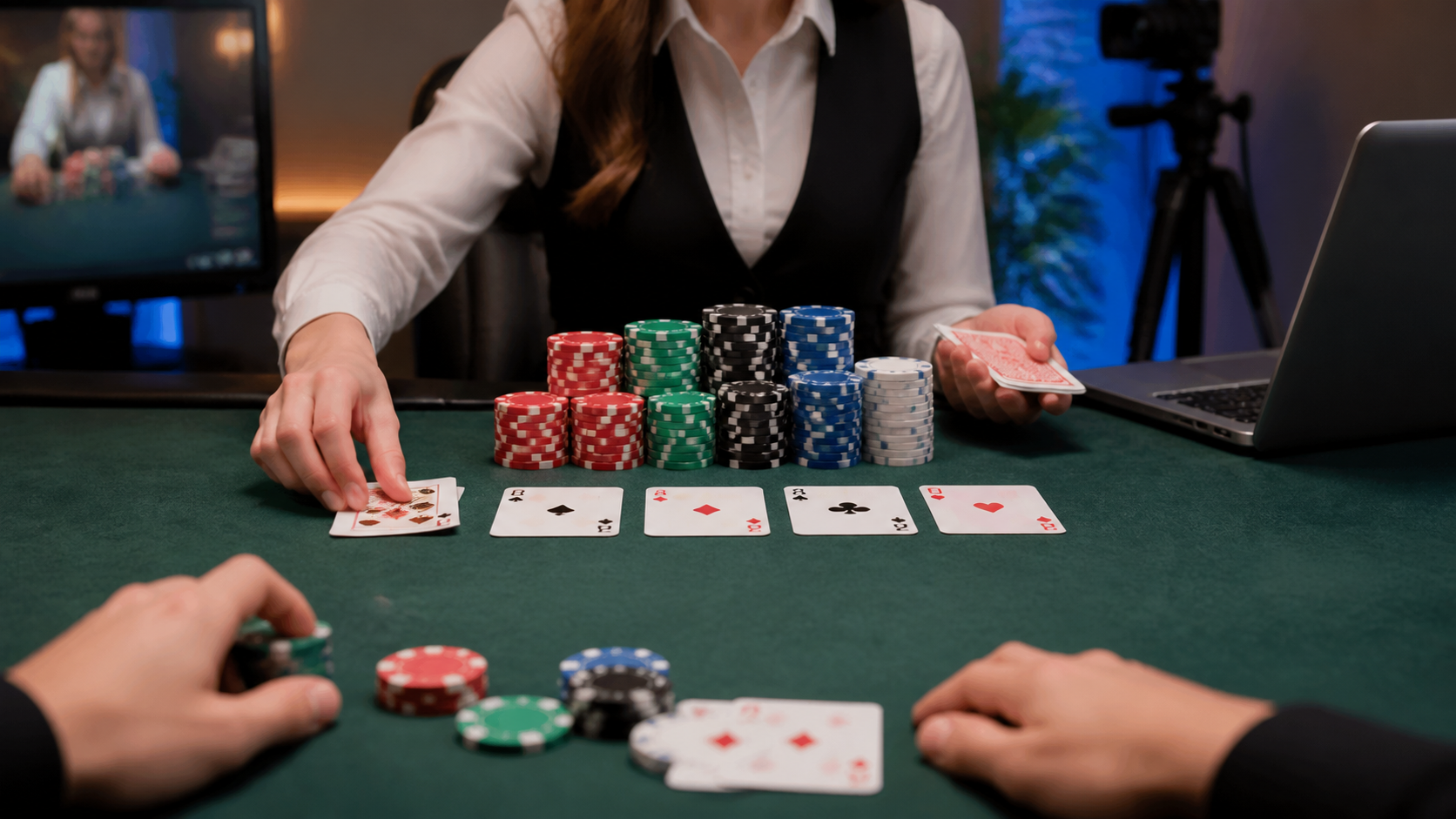
Online poker has become one of the most familiar ways to experience the game without sitting at a physical table. For many players, it offers a mix of convenience, variety, and steady learning opportunities. You can move at your own pace, choose from different table styles, and revisit hands in a way that helps you notice patterns more clearly than you might in a busy room.
At the same time, the format changes the experience in subtle ways. Reading opponents still matters, but so do table selection, bankroll awareness, and understanding how different game types affect decision-making. If you are exploring online poker games, it helps to approach them as a skill-based pastime that rewards patience, discipline, and a clear sense of what you want from the session.
What Makes Online Poker Different From Live Play
The core rules of poker remain the same, but the online setting changes how the game feels and how decisions are made. Without physical tells, players often rely more heavily on betting patterns, timing, position, and hand history. This can make the game feel faster and, in some cases, more analytical.
Another difference is pace. Online tables usually move more quickly than live ones, which means you may see more hands in less time. That can be appealing if you want more action, but it can also lead to rushed choices if you are not careful. A good online session is often less about chasing every pot and more about choosing the right spots.
Online poker also opens the door to formats that may not be easy to find locally. You can usually choose from cash games, tournaments, sit-and-go styles, or casual tables, depending on what the platform offers. That variety is one reason the format has stayed popular with both new and experienced players.
Choosing the Right Game Format
Not every poker format suits every player. Some people prefer the consistency of cash games, while others enjoy the structure and rising pressure of tournaments. The right choice depends on how much time you have, how much variance you are comfortable with, and whether you want a relaxed session or a more competitive challenge.
Before joining a table, it helps to think about what kind of experience you are actually looking for. A player who wants short, flexible sessions may choose differently from someone who enjoys building a stack over time. That is one of the quieter advantages of online play: the ability to match the format to your mood and schedule.
Cash Games
Cash games are often the most straightforward entry point. Chips usually represent real value within the session, and you can leave when you want. This makes them appealing to players who prefer more control and fewer long commitments. The challenge is staying consistent, since many smaller decisions add up over time.
In cash play, discipline matters. It is tempting to stay in a session too long after a few good hands or to force action when the table is not favorable. A steady approach usually works better than trying to make every hand matter.
Tournaments and Sit-and-Go Play
Tournaments create a different kind of tension. You start with a fixed entry and play until a prize structure comes into focus. The deeper you go, the more important stack management becomes. Sit-and-go events follow a similar logic, but they are often shorter and easier to fit into a busy day.
These formats suit players who enjoy progression and changing table dynamics. Early stages often reward patience, while later stages may require more willingness to apply pressure. Because of that shift, tournaments can feel more dramatic than cash games, even when the basic rules are familiar.
Skills That Matter More Than Luck
Luck shapes individual hands, but long-term decisions matter more than a single favorable outcome. Good poker players tend to focus on the process instead of the result of one round. That means paying attention to position, betting habits, stack sizes, and the tendencies of the table.
One of the most useful habits is keeping emotions in check. A frustrating loss can tempt players into chasing action, while a fortunate win can create a false sense of confidence. Neither reaction helps much. Consistent decision-making usually serves players better than trying to recover quickly or press an advantage too aggressively.
It also helps to understand that online tables often reveal information differently than live tables. Since you cannot rely on body language, you learn to notice the rhythm of play. A player who bets heavily in certain spots or folds too quickly in others may be leaving clues, even if those clues are indirect.
Reading the Table
Table reading in online poker is less about faces and more about patterns. Consider how often players enter pots, how they respond to pressure, and whether their actions change in late stages. Over time, these details can help you make more informed choices.
That does not mean you should try to label every opponent immediately. Online play often involves short sessions and changing lineups, so flexibility is useful. The goal is not to build a perfect profile of every player, but to identify the tendencies that matter most in the current hand.
Bankroll Discipline
Bankroll management is one of the most overlooked parts of the game. Even skilled players can run into difficult stretches, so it makes sense to choose stakes that leave room for normal variance. Playing within your limits reduces pressure and makes it easier to think clearly.
A practical mindset is to treat each session as one part of a broader plan. That may mean setting time limits, choosing stakes carefully, and avoiding the urge to move up too quickly. In poker, survival and patience often matter as much as boldness.
Practical Habits for Better Sessions
Small habits can improve the quality of your play more than dramatic strategy shifts. For example, starting with a clear goal helps you make better decisions. You might be focused on learning a format, playing a limited session, or simply staying disciplined at a preferred stake. Having that intention in mind makes it easier to avoid distractions.
It also helps to review your own decisions after a session. You do not need advanced tools to notice patterns in your play. Ask whether you entered too many weak hands, called too often under pressure, or became impatient after a few missed opportunities. Honest reflection is a valuable part of learning.
Another useful habit is choosing tables thoughtfully. A table that feels too aggressive or too passive may not fit your style. While you cannot control every matchup, you can often choose environments that support better decision-making. That simple step can make the experience more comfortable and more productive.
- Set a clear purpose before you start playing.
- Choose stakes that leave room for normal variation.
- Avoid chasing losses after a difficult hand or session.
- Pay attention to betting patterns rather than only to hand strength.
- Take breaks when concentration starts to slip.
Playing Responsibly and Staying In Control
Because poker combines strategy, competition, and chance, it can be easy to lose track of time or expectations. Responsible play is not about avoiding the game; it is about approaching it in a way that keeps it enjoyable and manageable. A clear budget and a realistic time frame can make a noticeable difference.
It is also wise to recognize the signs of tilt, which is the emotional spiral that can follow frustration or overconfidence. When that happens, stepping away is often the best response. Returning later with a calmer mindset usually leads to better choices than trying to force a turnaround immediately.
If you are still learning, the healthiest approach is to treat early sessions as practice. That perspective lowers pressure and makes it easier to focus on basic decisions rather than short-term results. Over time, that mindset can lead to steadier play and a more satisfying experience overall.
Conclusion: Building a Smarter Approach to the Game
Online poker remains appealing because it combines familiar rules with a flexible, modern format. Players can choose from different game types, adapt their strategy, and learn from each session in a way that supports gradual improvement. The most useful edge often comes from patience, discipline, and attention to detail rather than dramatic moves.
Whether you prefer cash games or tournaments, the key is to match the format to your goals and stay realistic about variance. With thoughtful habits and a responsible approach, online poker games can be both engaging and rewarding as a skill-based pastime.
