


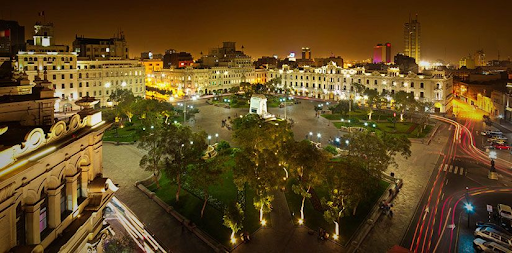
Lima, the capital of Peru, is a city that seamlessly blends colonial history, modern architecture, vibrant culture, and world-class cuisine. Located on the Pacific coast, Lima serves as the gateway for travelers visiting Peru’s famous attractions such as Machu Picchu, the Nazca Lines, and the Sacred Valley, while also offering a rich experience in its own right. This Lima Travel Guide provides comprehensive insights on what to see, do, eat, and explore, ensuring a memorable stay in this bustling metropolis.
Overview of Lima
Founded in 1535 by Spanish conquistador Francisco Pizarro, Lima was the capital of the Spanish Viceroyalty of Peru and later became the heart of the nation. Today, it is a cosmopolitan city home to over 10 million people, blending colonial charm, modern skyscrapers, and coastal beauty.
Geography
Lima stretches along the Pacific coastline, bordered by the Andean foothills to the east. The city enjoys mild temperatures year-round due to its coastal desert climate, making it comfortable for visitors in any season.
Climate
- Summer (December–April): Warm, sunny, and dry; temperatures around 25°C (77°F)
- Winter (May–November): Cooler, foggy mornings, overcast skies; temperatures around 18°C (64°F)
- Humidity: Coastal Lima tends to be humid, particularly in winter months
Getting to Lima
Lima is highly accessible, with multiple transportation options:
By Air
- Jorge Chávez International Airport (LIM) is Peru’s main international airport, connecting Lima to major cities worldwide.
- Domestic flights are available to Cusco, Arequipa, Iquitos, and other destinations.
By Bus
- Long-distance buses from southern and northern Peru connect Lima with cities like Arequipa, Paracas, and Nazca.
- Buses are modern, safe, and comfortable, often with reclining seats and onboard entertainment.
By Car
- Driving along the Pan-American Highway offers scenic coastal views, especially for trips to Paracas, Ica, and the Ballestas Islands.
Neighborhoods to Explore
Lima’s neighborhoods offer distinct experiences, catering to history, culture, nightlife, and luxury:
1. Historic Center
- Known for colonial architecture, cathedrals, and plazas
- Key attractions: Plaza Mayor, Lima Cathedral, Government Palace, San Francisco Monastery
- UNESCO World Heritage Site, perfect for history enthusiasts
2. Miraflores
- Modern, upscale district with coastal views and parks
- Popular spots: Larcomar shopping center, Parque del Amor, Malecón boardwalk
- Ideal for nightlife, restaurants, and oceanfront strolls
3. Barranco
- Bohemian and artsy neighborhood
- Famous for street art, art galleries, and colorful colonial buildings
- Nightlife hub with bars, cafes, and live music
4. San Isidro
- Business and financial district
- Features luxury hotels, golf courses, and upscale dining
- Green spaces like El Olivar Park, an olive grove dating back centuries
Top Attractions in Lima
Lima is a city that combines history, culture, and modernity. Must-see attractions include:
1. Plaza Mayor (Plaza de Armas)
The city’s historic heart, surrounded by the Lima Cathedral, Archbishop’s Palace, and Government Palace. A guided walking tour reveals Lima’s colonial past.
2. Huaca Pucllana
An ancient adobe pyramid located in Miraflores, built by the Lima culture around 500 AD. Visitors can tour the site and learn about pre-Inca civilizations.
3. Parque Kennedy
A lively park in Miraflores, home to cats, local artists, and artisan markets. It’s an excellent place to experience Lima’s urban vibe.
4. Barranco Bridge and Street Art
Barranco’s iconic bridge, Puente de los Suspiros, is a romantic hotspot surrounded by colorful murals and galleries.
5. Larcomar
A cliffside shopping center offering restaurants, shops, and stunning views of the Pacific Ocean, especially at sunset.
6. Museums
- Museo Larco: Pre-Columbian art collection
- Museo de la Nación: Comprehensive display of Peru’s history and culture
- Museo de Arte de Lima (MALI): Showcasing Peruvian art from ancient times to contemporary works
Culinary Scene in Lima
Lima is renowned as the gastronomic capital of South America, offering a rich fusion of indigenous, Spanish, African, and Asian flavors. Key culinary highlights include:
1. Ceviche
- Peru’s iconic dish made from fresh raw fish marinated in lime, chili, and onion
- Best enjoyed at seaside restaurants or cevicherías
2. Lomo Saltado
- Stir-fried beef with onions, tomatoes, and French fries
- Reflects the Chifa (Chinese-Peruvian) influence on Peruvian cuisine
3. Anticuchos
- Grilled beef heart skewers seasoned with traditional spices
- Popular street food enjoyed by locals and tourists alike
4. Pisco Sour
- Peru’s national cocktail, made with pisco, lime, egg white, and bitters
- Best sampled at a local bar while watching the sunset over Miraflores
5. Fine Dining
- Lima hosts several world-class restaurants, including Central, Maido, and Astrid y Gastón, consistently ranking among the best in Latin America
Festivals and Events
Lima is a hub of cultural events, showcasing traditional and contemporary Peruvian culture:
- Fiestas Patrias (July 28–29): Peru’s Independence Day celebrations with parades and cultural performances
- Mistura Food Festival: Annual culinary festival featuring Peru’s diverse cuisine
- Semana Santa (Holy Week): Religious processions and events throughout the city
- Festival de la Marinera: Celebrating traditional Peruvian dance and music
Participating in festivals allows travelers to experience Lima’s vibrant culture firsthand.
Outdoor Activities in Lima
Despite being a bustling metropolis, Lima offers outdoor and recreational opportunities:
- Paragliding over Miraflores cliffs: Thrilling views of the Pacific Ocean
- Surfing in Costa Verde: Popular beaches like Waikiki and Makaha cater to beginners and experienced surfers
- Cycling along the Malecón: Scenic oceanfront bike paths connecting Miraflores, Barranco, and Chorrillos
- Coastal Walks and Parks: Enjoy panoramic views, sunsets, and green spaces in districts like Miraflores and San Isidro
Tips for Travelers Visiting Lima
- Plan for Altitude: Lima is at sea level, but trips to Cusco and the Andes require acclimatization
- Stay Safe: Stick to well-known neighborhoods, especially at night
- Use Reliable Transportation: Taxis, rideshares, and tour buses are recommended
- Pack Layers: Coastal weather can vary; mornings may be cool, afternoons warm
- Learn Basic Spanish Phrases: While many locals speak English, Spanish helps with local interactions
Conclusion
Lima is a city of contrasts—where ancient history meets modern urban life, colonial architecture coexists with contemporary art, and world-class gastronomy delights every palate. This Lima Travel Guide demonstrates that the city is much more than a transit point to other Peruvian destinations; it’s a cultural hub, culinary paradise, and gateway to adventure.
From exploring historic plazas, wandering bohemian neighborhoods, and enjoying spectacular coastal sunsets to indulging in ceviche and experiencing festivals, Lima offers a rich and immersive experience for every traveler. Whether visiting for a few days or using it as a base for excursions to Machu Picchu, the Sacred Valley, or the Nazca Lines, Lima promises memories that will last a lifetime. Proper planning, guided tours, and embracing local culture ensure that your journey through Peru’s vibrant capital is safe, enjoyable, and unforgettable.
