


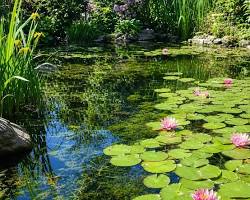
A pond can become the focal point of a garden, but water alone may not create the natural appearance many homeowners want. Adding British Pond Plants can turn a simple water feature into a vibrant ecosystem filled with texture, color, and wildlife. Whether you have a large landscape pond or a small backyard water feature, carefully selected aquatic plants can improve its appearance and provide practical environmental benefits.
Creating a Natural Appearance
One of the biggest advantages of British Pond Plants is their ability to make an artificial pond look more natural. Plants soften hard edges and blend the pond with the surrounding garden. Marginal plants can be positioned around shallow areas, while floating varieties can cover sections of the water surface.
A mixture of plant heights creates visual interest. Low-growing plants can cover the edges, medium-height species can occupy shallow water, and taller varieties can provide structure behind the pond.
Plants for Different Pond Zones
Before purchasing plants, it is helpful to understand the different areas of a pond. Marginal plants grow in shallow water or consistently damp soil. These include species such as marsh marigold, water mint, and water forget-me-not.
Deep-water plants grow farther below the surface. Water lilies are the most recognizable example. Their leaves float on the surface while their roots remain planted below.
Submerged plants grow almost completely underwater. These plants are useful because they contribute to the pond ecosystem and can provide shelter for aquatic life.
Floating plants sit directly on the water surface. They can provide shade and create a softer appearance, although vigorous varieties should be monitored carefully.
Choosing Plants for Small Ponds
Small ponds require more careful plant selection. Large or aggressive species can quickly dominate a limited space. Compact water lilies and smaller marginal plants are often better choices.
When using British Pond Plants in a small pond, avoid overcrowding. A few well-positioned plants can look much better than dozens competing for space. Remember that many aquatic plants grow considerably during spring and summer.
Containers can be particularly useful for controlling vigorous plants. Growing plants in aquatic baskets makes it easier to remove, divide, or relocate them when necessary.
Adding Seasonal Colour
One of the most appealing features of a planted pond is the changing appearance throughout the year. Some plants flower in spring, while others reach their peak during summer.
Water lilies can provide beautiful summer flowers, while marsh marigold can bring bright color earlier in the season. Iris varieties can add height and strong architectural shapes.
Selecting plants with different flowering periods can ensure that the pond remains interesting for longer. Foliage should also be considered because attractive leaves can provide visual appeal even when flowers are not present.
Encouraging Garden Wildlife
A planted pond can attract a surprising variety of wildlife. Frogs and newts may use aquatic vegetation for shelter, while insects such as dragonflies can be attracted to the water.
Birds may also visit ponds, particularly if there are quiet areas where they can safely approach the water. Plants around the edges can provide cover and resting places.
If you want a wildlife-friendly pond, allow some areas to remain relatively natural. Avoid making every part of the pond perfectly tidy. A little leaf litter, vegetation, and natural growth can create useful habitats.
Maintenance Tips
Pond plants need maintenance, but most established varieties are relatively easy to manage. Remove damaged or dying foliage and cut back excessive growth when necessary.
During autumn, falling leaves should be removed before they accumulate heavily. Too much decomposing organic material can affect water quality.
Divide overcrowded plants periodically. This encourages healthier growth and prevents one species from taking over the pond.
Conclusion
British Pond Plants offer an easy and attractive way to improve a garden pond. By selecting plants according to pond size, depth, appearance, and wildlife value, you can create a balanced outdoor feature. With the right combination of species and simple seasonal care, your pond can provide beauty and ecological value throughout the year.
